Last items
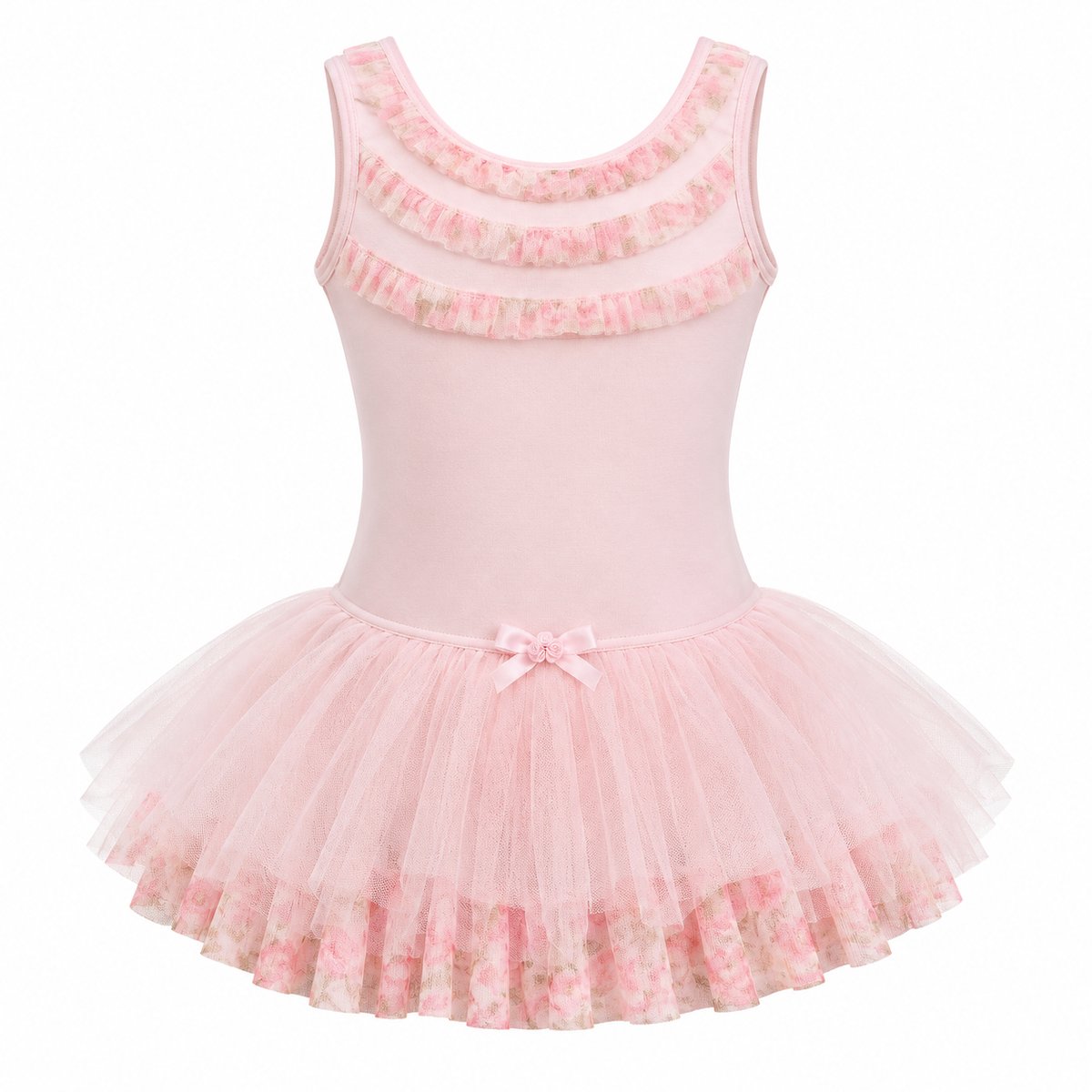
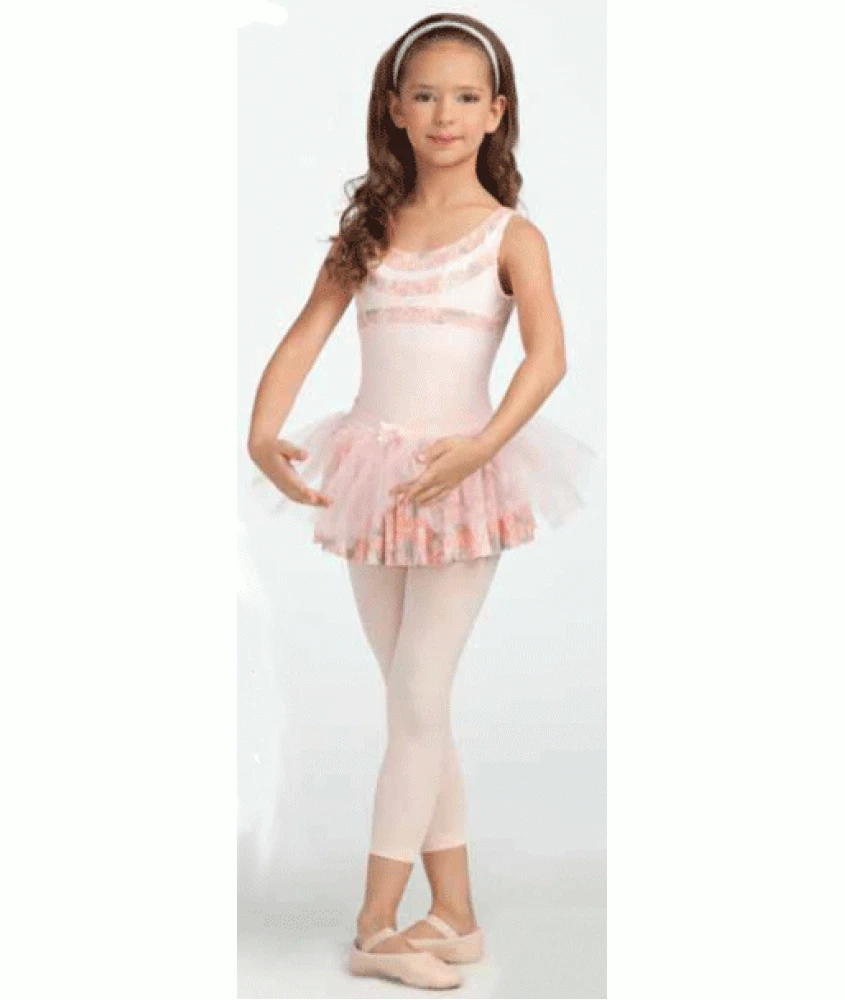
Tank leotard with belt – girls
Lt. Blue

A comfortable leotard for your child gives their torso room without pulling at the shoulders. Measure together and have your child stretch their arms high. Explore leotards and unitards.
A leotard forms your base from shoulders to crotch. The right torso length lets you raise your arms without the leotard pulling. Measure your torso as well as your chest, waist and hips, following the manufacturer's size chart. This helps you compare sizes and cuts for your proportions.
Want to cover your legs too? A unitard extends into legs for a continuous line. Check for room around your knees and hips as well as leg length. If you come across the Dutch term 'balletmaillot', check which garment it refers to: it is used for leotards, tights and complete outfits.
The neckline and sleeves determine how much skin you leave uncovered. Narrow straps leave your shoulders free, wider shoulder sections offer more coverage and long sleeves cover your arms. Fabric with elastane stretches with your movements. Choose a shape that feels comfortable and meets your class dress code. Follow the care label to keep your leotard looking neat.
Use the manufacturer's chart to choose a leotard that fits closely now. This keeps the straps in place and the fabric smooth. Have your child move a little and measure again when the leotard starts to fit differently.
Stretch your arms, bend your knees and gently bend sideways. Your leotard should move with you and the neckline should stay in place. Check that your shoulders can move freely and the fabric fits smoothly.
A leotard ends around the hips; a unitard has legs. A unitard therefore gives you more coverage in one garment. Choose the leg length that suits your class and preferences.
Measure your body and use the manufacturer's size chart. Include your torso length: it helps you choose a leotard that stays comfortable with your arms raised too.
Save your torso, chest, waist and hip measurements on your phone. Handy when comparing leotards!