 Last items
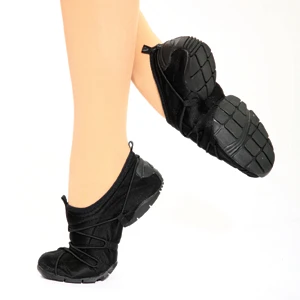
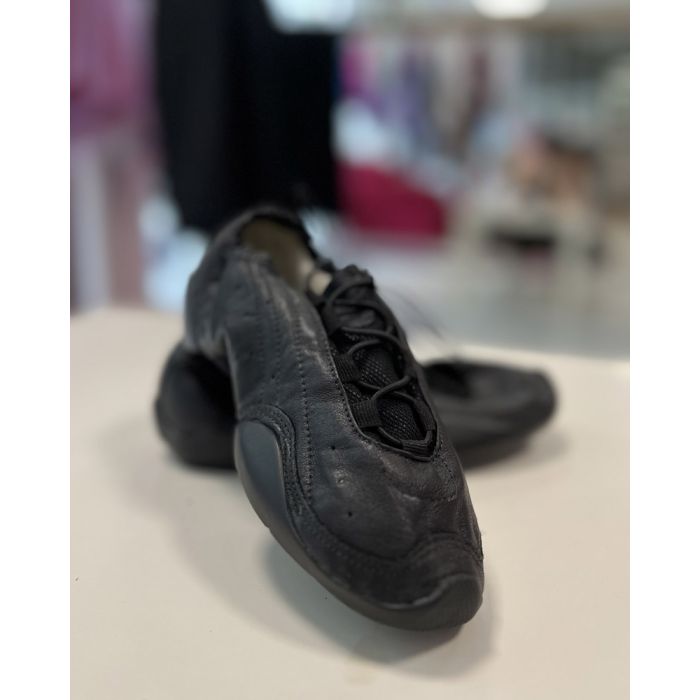
Capezio Nimbus – dance trainers
Black

Comfortable men's dance sneakers give your toes room and feel good around your heel and instep. Choose a sole that suits your dance style and floor. Explore dance sneakers for your class.
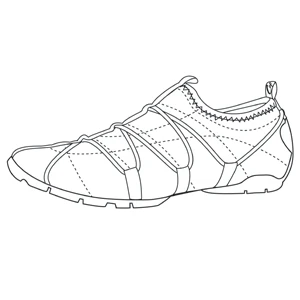
Dance sneakers combine a trainer-like shape with a sole construction for dance. Look at where the shoe bends: a split sole separates the forefoot and heel so the arch can move more freely. A more continuous sole feels different when rolling through your feet. Compare the construction you need for your exercises.
When pushing off and turning, you want comfortable contact with the floor. The combination of tread, sole material and floor surface determines how that feels. Ask your teacher which sole type is suitable for the studio. This helps you choose the grip and freedom of movement your training needs and understand which indoor shoes are allowed.
Try dance sneakers on with your training socks. Your toes need room and your heel should stay inside the shoe as you move gently. Laces let you distribute tension over your instep. Walk a few steps and check that your foot stays comfortably in place. Compare foot length and width with the manufacturer's chart to choose your size.
Measure your feet and use the dance sneaker's own size chart. Check where the shoe bends and how the heel and forefoot fit. Ask your teacher which sole suits the studio floor. Your sports shoes can help you describe what feels comfortable.
A comfortable fit gives your toes room to relax, a snug heel and room around your instep. Choose a sole your teacher considers suitable for the exercises and floor. That brings fit and use together.
Ask what you are allowed to wear in your class. An ordinary sports trainer may bend differently or give more grip than you want for a dance step. Your teacher's footwear advice helps you compare.
Choose the sole for your exercises and what fits comfortably. A split sole gives the arch more freedom to bend; a full sole has a different construction. Discuss which shape your class needs.
Distribute lace tension from your toes towards your instep. Then walk a few steps and check that the pressure feels comfortable throughout.